Background:
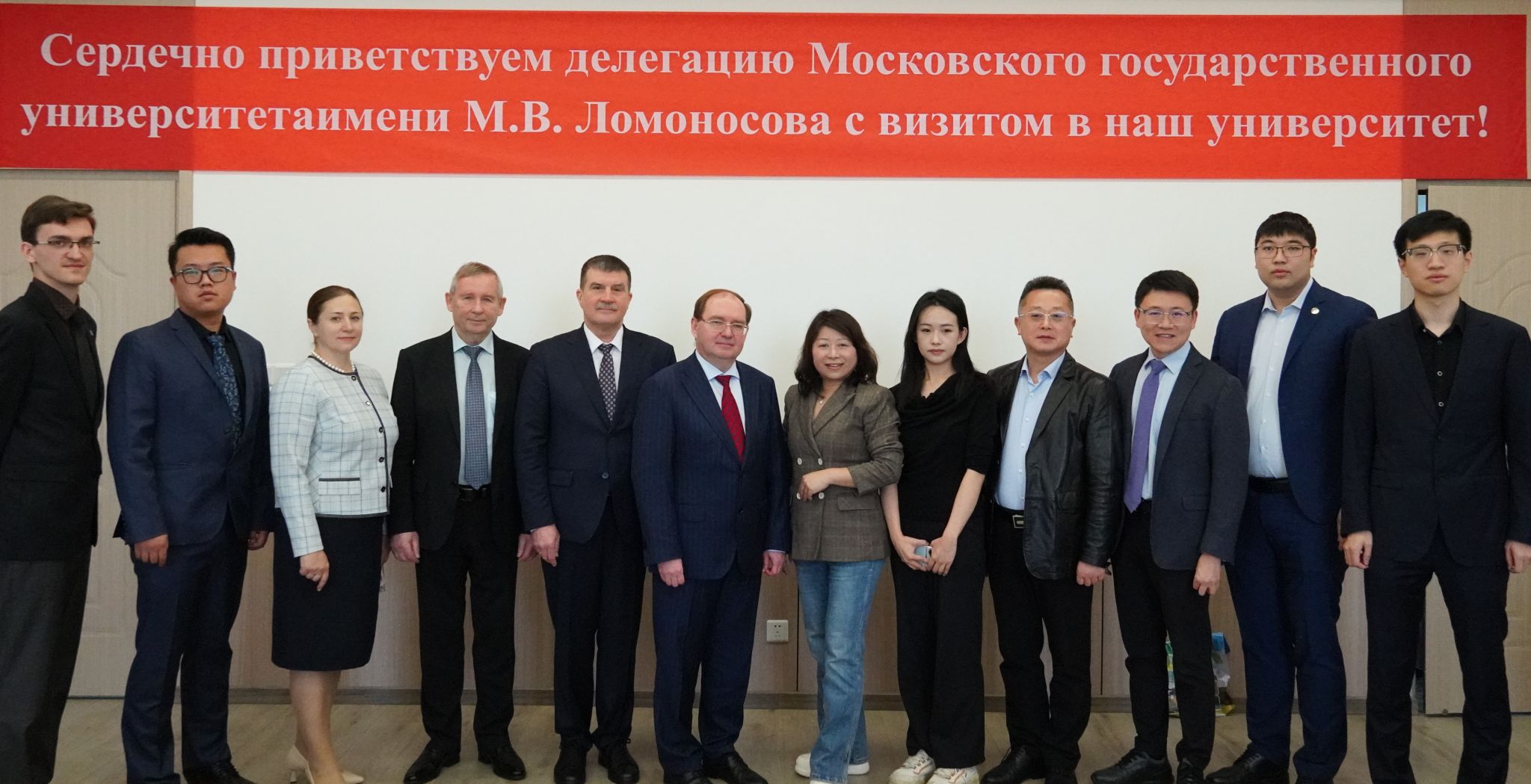
On the morning of November 13, 2025, a 10-member delegation from Lomonosov Moscow State University (MSU) visited AI-HSS at UESTC. The delegation was led by Professor Ильин Илья Вячеславович, Dean of the Faculty of Global Processes, MSU, Doctor of Political Science, Professor, along with Professor Чумаков Александр Николаевич, Doctor of Philosophy, Professor, Faculty of Global Processes, MSU. The meeting was hosted by Prof. Lei Ruipeng, Vice Dean of AI-HSS.
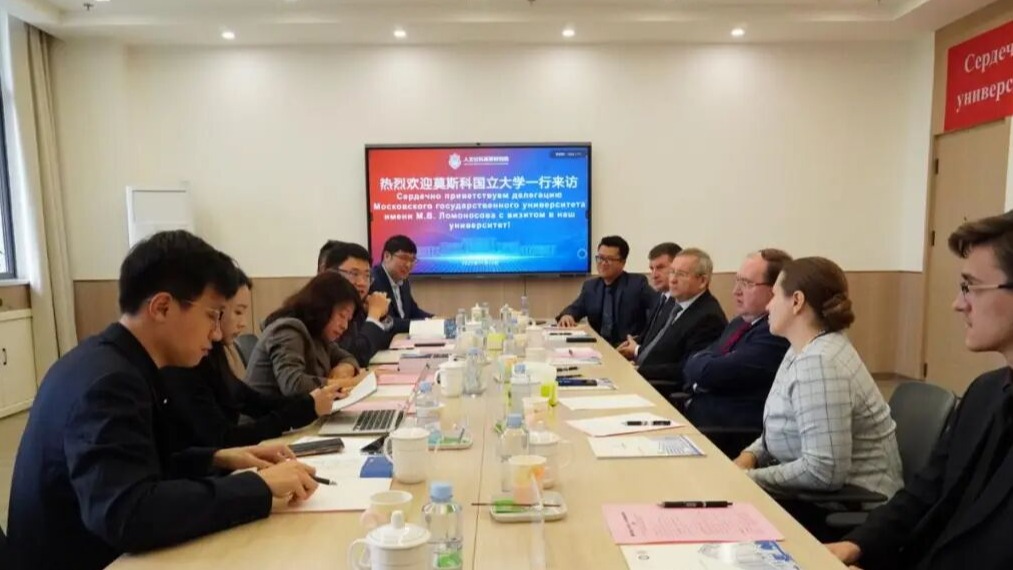
Professor Lei briefly introduced all participating guests and extended a warm welcome to the MSU delegation. Deputy Director Li Ying from the Office of International Cooperation and Exchange presented an overview of Chengdu and UESTC’s current development. Located in Chengdu, UESTC is the first university specializing in radio engineering in the People’s Republic of China. Soviet experts were deeply involved in its founding, and the main building, designed in the style of the Molotov Power Engineering Institute, embodies distinct Russian architectural cultural characteristics. UESTC has been successively selected into the “Project 211”, “Project 985” and national “Double First-Class” university initiatives, boasting remarkable achievements in talent cultivation and scientific innovation, with many industry leaders among its alumni. In international cooperation, UESTC has established partnerships with over 200 overseas institutions, and its Sino-foreign cooperation programs have yielded outstanding results.
Professor Ильин Илья Вячеславович also briefed the UESTC representatives on MSU’s profile. With a long history, MSU has maintained friendly exchanges with numerous Chinese universities since the last century. Covering an extensive campus area, MSU offers a rich array of disciplines—45 in total—including a specialized program in artificial intelligence. Marking its 270th anniversary this year, Professor Вячеславович noted that the seminar with UESTC was a “inevitable event born of coincidence” and expressed strong willingness for collaboration.
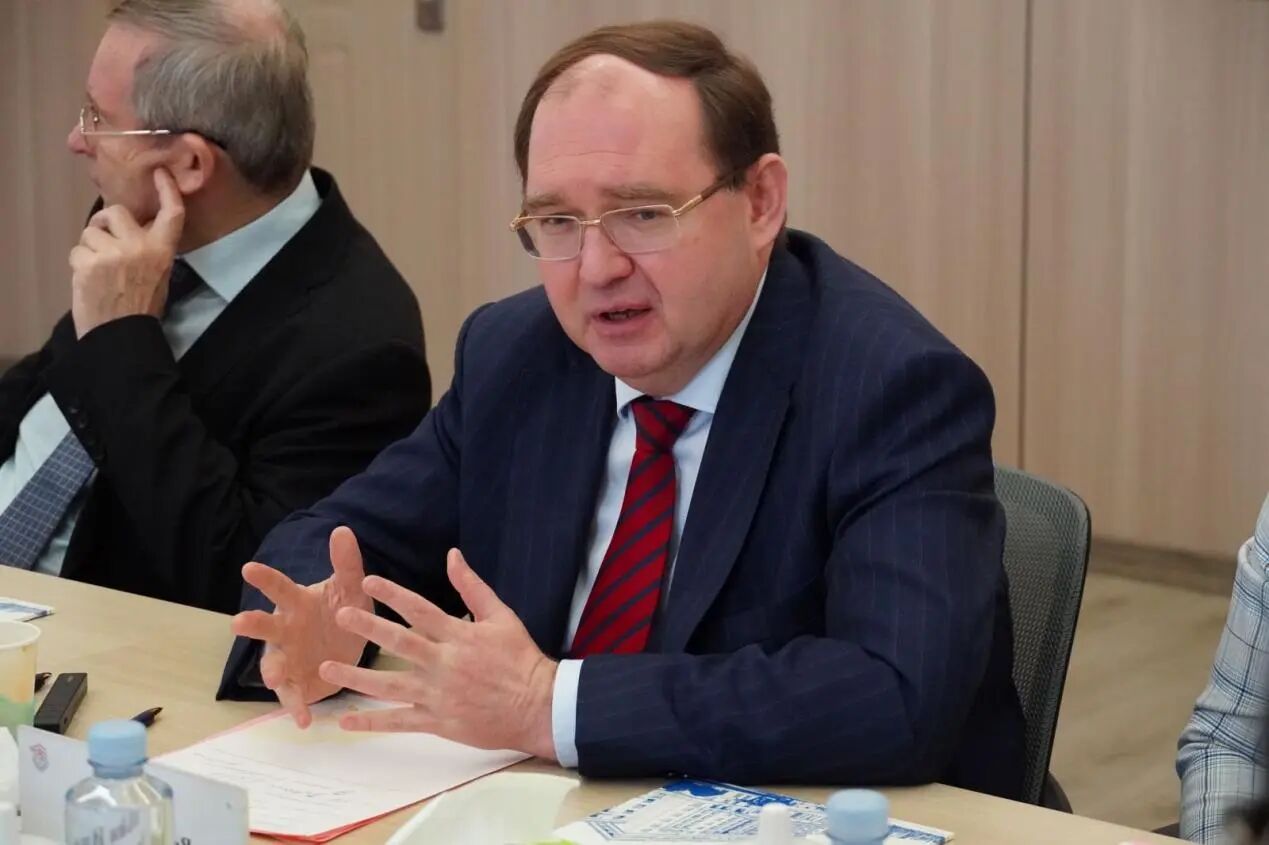
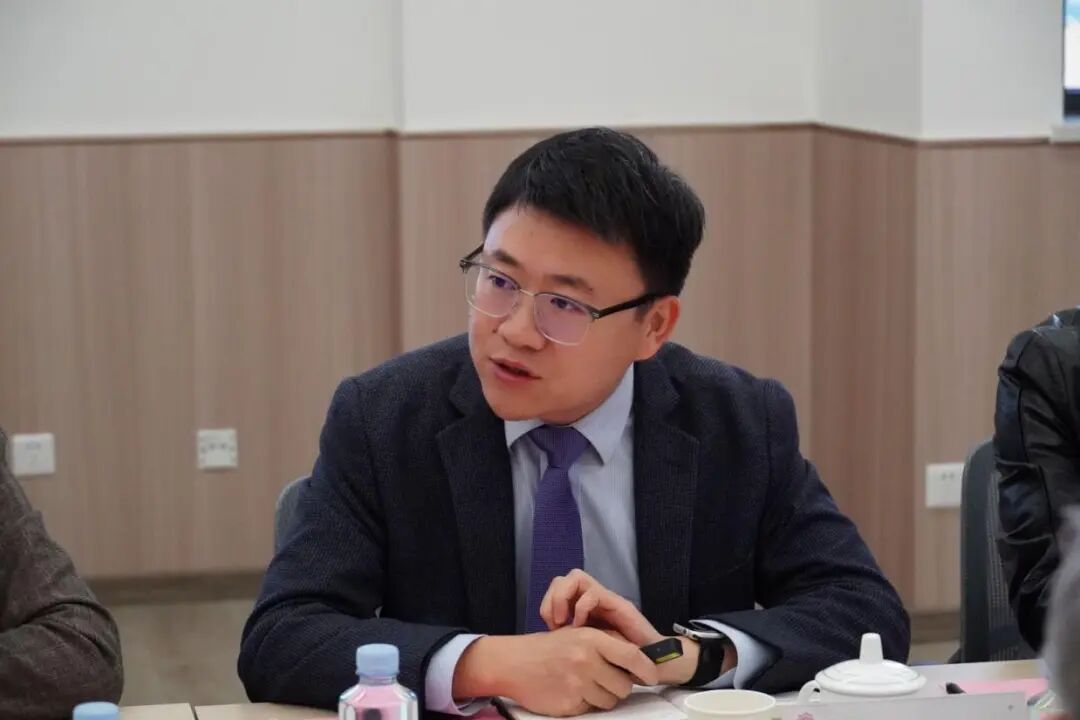
Professor Lei elaborated on AI-HSS’s distinctive features. Leveraging UESTC’s strengths in electronic information, the institute focuses on interdisciplinary fields of technology and humanities, particularly in areas such as tech ethics and language intelligence, conducting academic research, exchanges, and talent development. Aiming to “explore interdisciplinary frontiers and empower engineering education”, it strives to serve as a catalyst for disciplinary integration and a testbed for academic innovation.
Taking the UNESCO Intergovernmental Conference on the Ethics of Neurotechnology as an example, Lei highlighted the close collaboration between Chinese and Russian scholars in thematic discussions and result-sharing during the annual event, reflecting profound academic rapport. She expressed aspirations to further strengthen friendly ties with MSU, pursue in-depth cooperation in joint research and academic exchanges within AI-HSS’s key areas, and promote scientific diplomacy and global governance of tech ethics through enhanced interactions.
The seminar proceeded in a friendly atmosphere, with both sides expressing a shared vision for establishing long-term cooperative relations and advancing sustained international exchanges and joint education initiatives.