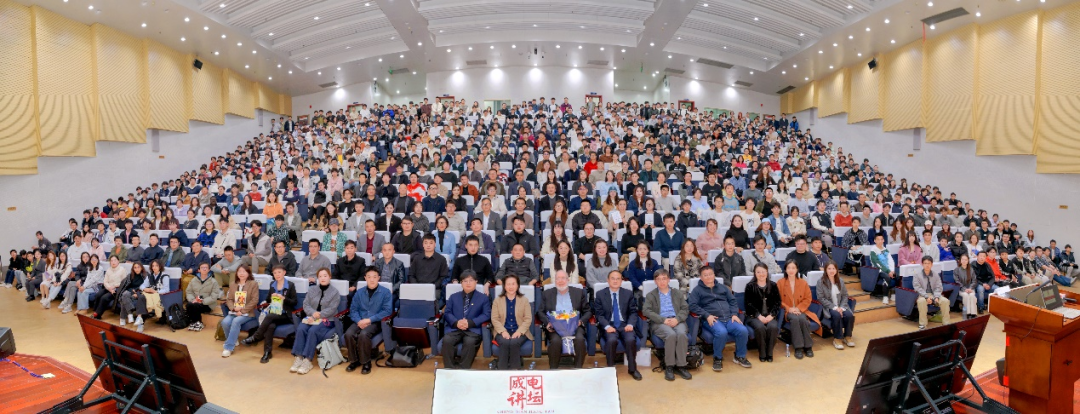
On March 20, 2026, Kevin Kelly, the “Father of the Silicon Valley Spirit”, delivered a speech at UESTC Forum as well as the 29th “Humanities × Technology” Thinkers’ Forum. He shared insights with UESTC students on the topic The Next 10,000 Days: How AI and Biology Will Shape the Future of Humanity. The lecture focused on four core themes: “uncertainty, technological frontiers, human–machine collaboration, and long-termism.” It dissected the boundaries and opportunities inherent in the development of artificial intelligence, while also addressing pressing real-world concerns including ethics, employment, organizational transformation, and technological monopolies. The lecture was jointly organized by the AI-HSS and UESTC Education Center for Students Cultural Qualities.
Kelly believed that human understanding of artificial intelligence remains very limited, and even domain experts face many unknowns. Based on this, he analyzed four core uncertainties surrounding AI. First, whether general artificial intelligence is achievable; he believes intelligence is more likely to be diverse and specialized, and that the future will be a world where various specialized intelligences coexist. Second, the deployment model of AI; in the future, computing is more likely to move toward the edge and localization, rather than relying entirely on large data centers; Third, the impact of AI on employment: in the short term, AI will not cause mass unemployment, as technology replaces tasks rather than jobs; fourth, the trajectory of open-source versus closed-source AI development, with China’s open-source model offering new possibilities for the industry. He thought that these four uncertainties will persist for the long term, and the key to addressing the unknown lies in maintaining an open-minded approach to choices and continuously expanding the possibilities of technology and development.
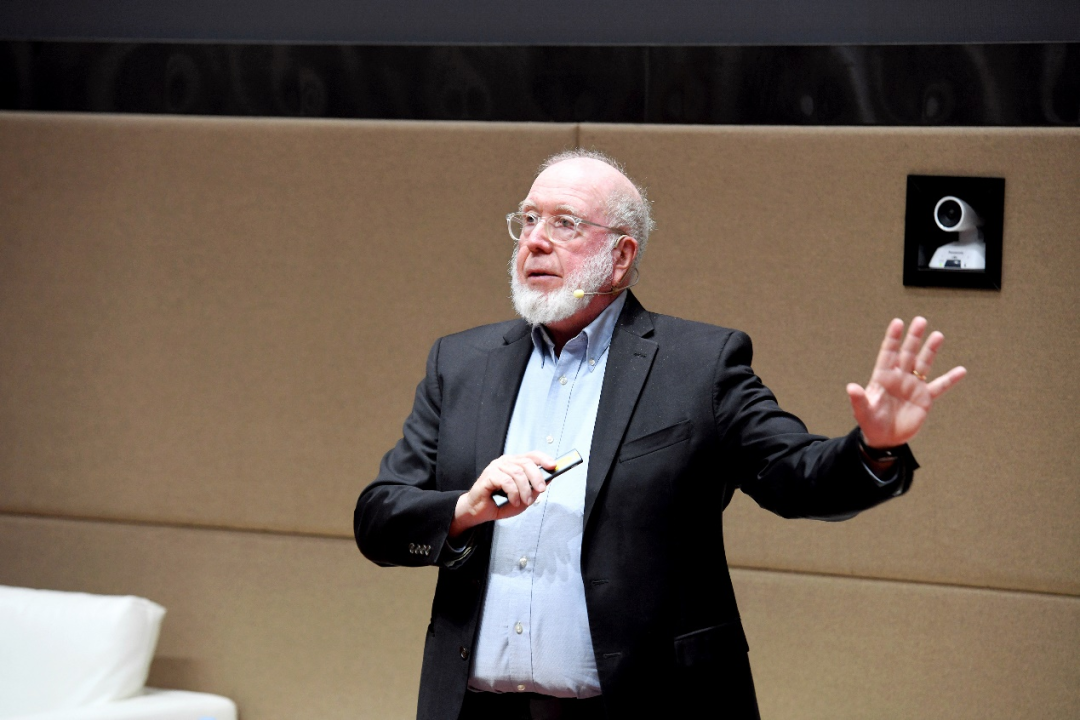
Kelly shared insights on the four major frontier areas and key trends in the future of artificial intelligence. He argued that large language models have shortcomings in continuous learning, long-term memory, and perception of reality, and that the future will require exploration of diverse cognitive architectures; spatial computing and world models trained on the physical world will become the core of robotics; artificial intelligence will achieve emotional recognition and expression, enabling genuine emotional connections between humans and machines, and the relevant ethical frameworks urgently need to be refined; A vast network of intelligent agents will form an invisible service system, giving rise to an entirely new agent-based economy. Additionally, he discussed how AI is accelerating biotechnology and drug development, with non-invasive brain-computer interfaces poised to achieve breakthroughs within the next 10,000 days. In the realm of education, he advocates shifting from the transmission of knowledge to the cultivation of questioning skills and self-directed learning abilities, promoting a collaborative model of “humans plus AI.” Regarding development philosophy, he proposed the concept of “Protopia,” a future driven by incremental improvement, emphasizing that optimism is an active choice and a core force in shaping the future.
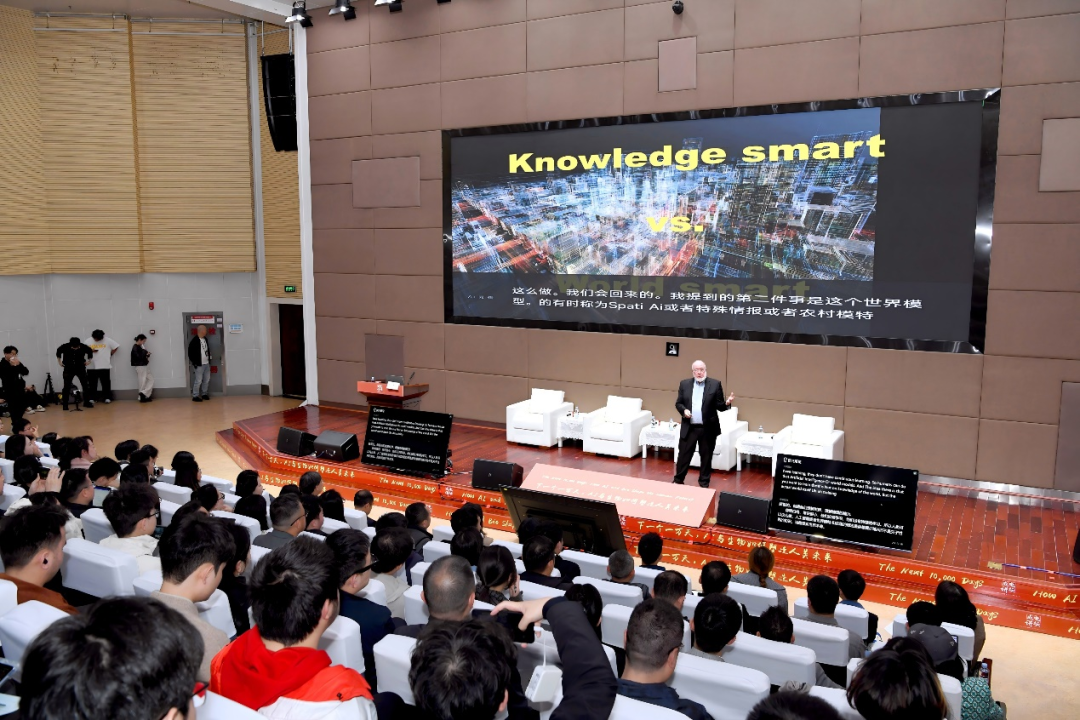
During the panel discussion, Kelly engaged in an in-depth dialogue with Professors Lei Ruipeng and Xiao Wen from UESTC, as well as Liu Zhiyi, Chief International Scientist at TIANLI EDUCATION (HK) LIMITED. He reiterated that artificial intelligence will evolve from general-purpose to specialized applications, and that in the future, a distinct form of intelligence—different from human thought—will emerge to assist humanity in solving complex problems. When discussing the concept of “being excellent ancestors,” he advocated for a long-term perspective that spans generations, urging the pursuit of value creation that outweighs consumption. Addressing controversies surrounding the emotional ethics and autonomous consciousness of AI, he argued that genuine emotional bonds between humans and machines do exist, necessitating the establishment of dedicated regulatory frameworks—particularly for applications involving children. He noted that it will take decades for AI to achieve autonomous consciousness, giving humanity ample time to build governance systems through practical experience, rather than succumbing to fanciful anxieties.
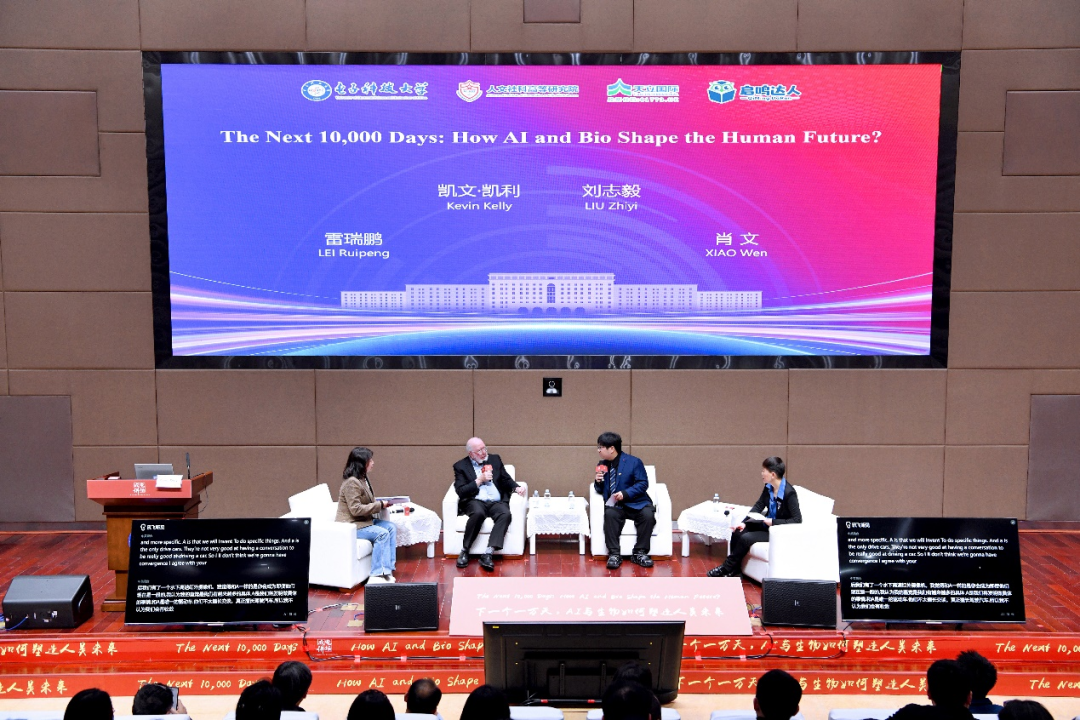
During the Q&A session, Kelly addressed each question raised by the faculty and students in attendance. He expressed support for building a decentralized public AI system, ensuring that technology is as widely accessible and shared as the internet; he argued that breakthroughs in AI architecture can only be achieved through extensive trial and error, not through theoretical deduction; and he asserted that technological monopolies are fleeting, with open-source initiatives and innovation being the key to breaking them. Regarding the transformation of China’s manufacturing sector, he recommended restructuring organizations with an AI-native mindset, breaking down departmental silos, and shifting from software-driven to agent-driven models. He also noted that corporate transformation typically requires three attempts before reaching maturity. When distinguishing between genuine trends and hype, he offered clear guidelines: while the consolidation of technologies into broad categories is an inevitable trend, specific products offer a wealth of choices, and humanity will always retain control over the direction of technological development.
Kelly repeatedly emphasized that the ultimate mission of artificial intelligence is to make humanity better, and that the younger generation, living on the cutting edge of an “expertless” era, has the opportunity for everyone to become a leader. In the face of the unknown, we should remain open-minded and optimistic; when looking toward the future, we should create net value with a long-term perspective. Kelly’s insights offer not only technological perspectives but also a philosophy for navigating change: in an era of uncertainty, embrace change through action, shape the future with optimism, and, through a long-term perspective, chart the next ten thousand days of symbiosis between humanity and artificial intelligence.