On November 27th, AI-HSS hosted the 19th “Humanities × Technology” Thinkers’ Forum. With the theme “From Dendral to AlphaFold: A Historical Review and Philosophical Reflection on AI-Assisted Scientific Research”, the forum invited Professor Zhu Jing as the keynote speaker. Zhu is Nanqiang Distinguished Professor at Xiamen University, Standing Director of the Chinese Modern Foreign Philosophy Society, Director of the Analytical Philosophy Professional Committee, Director of the Epistemology Professional Committee, Deputy Director of the Philosophy of Science Professional Committee of the Chinese Society for Dialectics of Nature, and Deputy Director of the Philosophy of Engineering Professional Committee. Professor Wan Xiaolong moderated the forum.
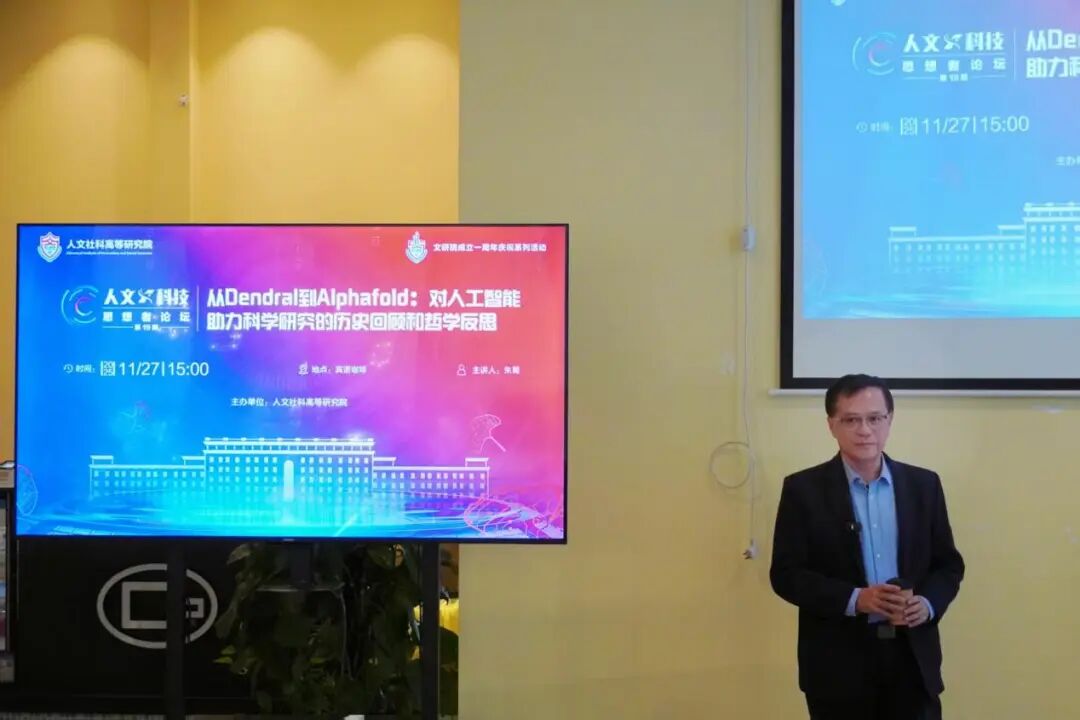
At the beginning, Professor Wan extended a warm welcome and sincere thanks to Professor Zhu, briefly introducing his main research fields and cutting-edge achievements.
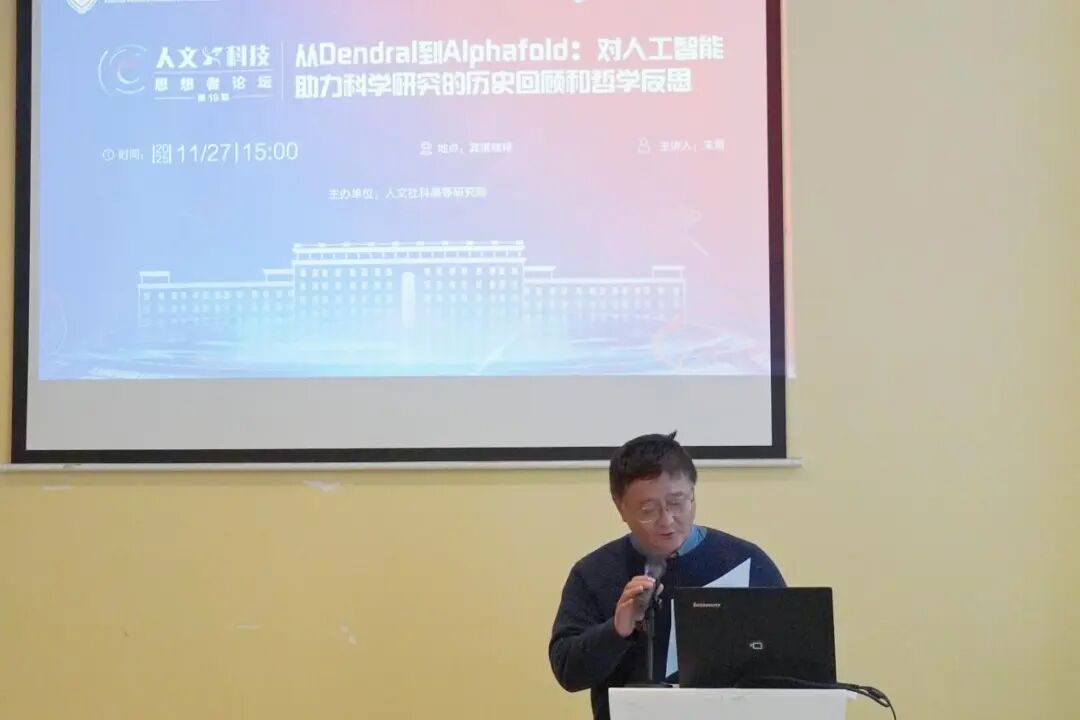
During the forum, focusing on the core topic “AI for Science”, Professor Zhu first traced Stanford University’s DENDRAL—an expert system based on rules and heuristics in the 1960s—noting that it pioneered AI-assisted analysis of organic molecular structures. He then reviewed the technological leap from symbolic expert systems to the deep learning revolution, citing AlphaFold’s accurate prediction of protein structures to emphasize the qualitative improvement in scientific discovery efficiency driven by data and machine learning.
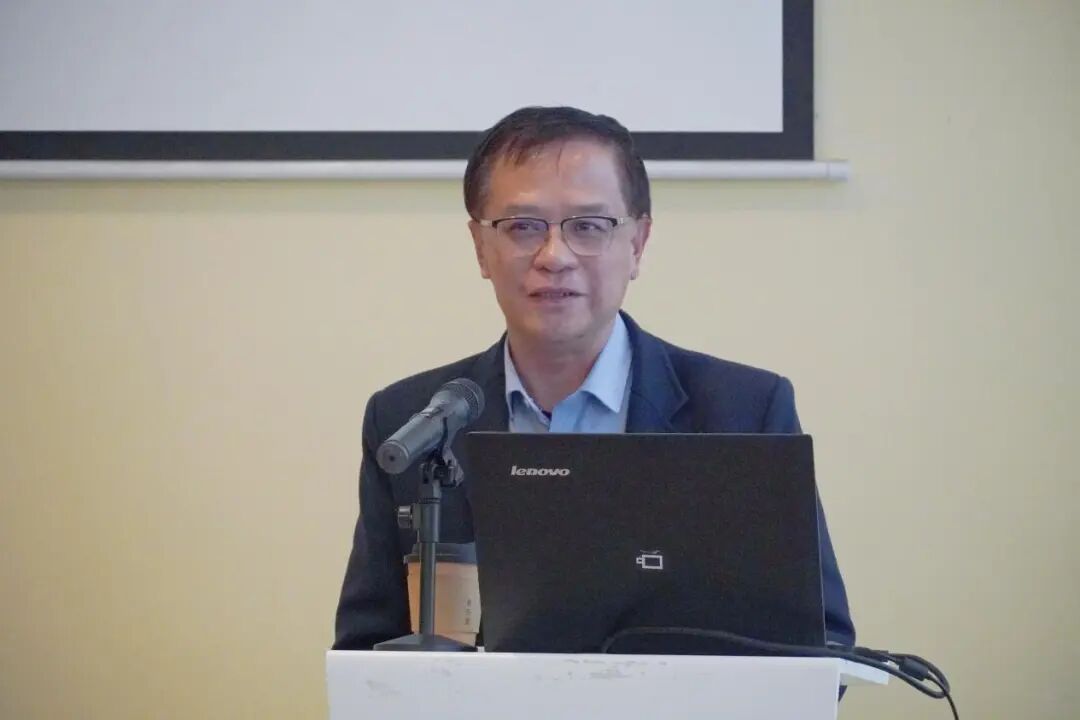
Elevating his perspective to the philosophical level of science, Professor Zhu proposed that “AI for Science” is being recognized in academic circles as the “fifth research paradigm”, reshaping scientific methodology following empirical, theoretical, computational, and data-intensive paradigms. He further analyzed the differences between machine learning’s “implicit induction” and traditional explicit conceptual induction, pointing out that “learning-based explanation” is supplementing or even challenging classical scientific explanation models, and explored AI’s potential restructuring of the scientific community structure as a tool or “collaborator”.
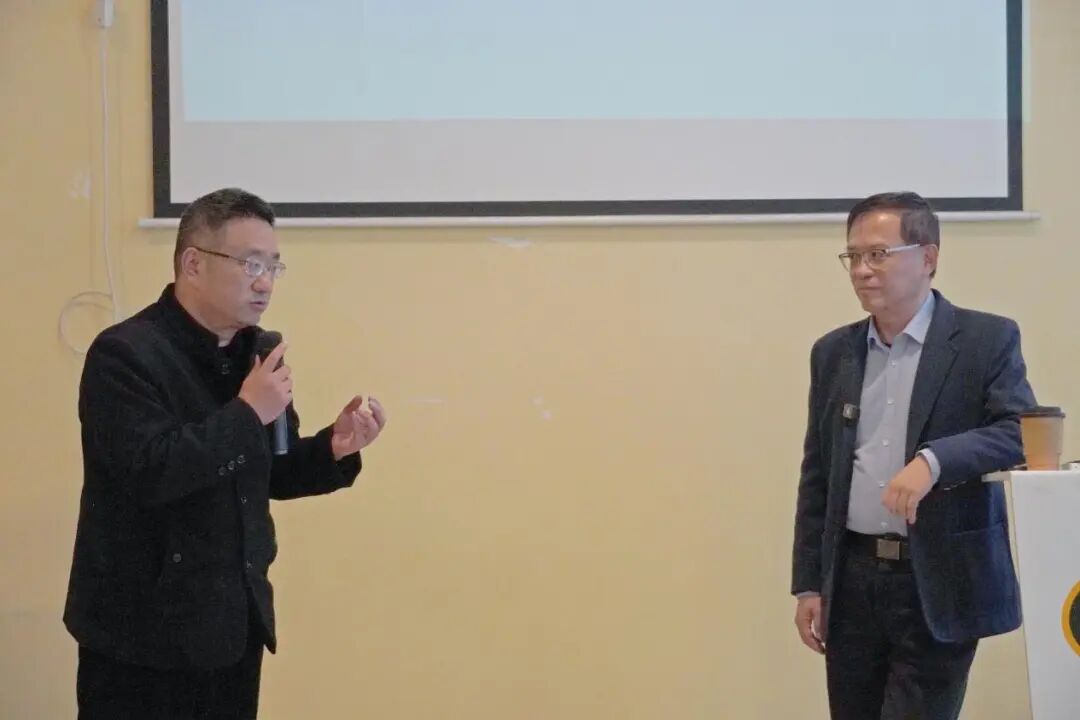
In the Q&A session, Professor Yuan Qin asked how to understand the similarity between AI models (such as visual neural networks) and the brain’s information processing mechanisms. Professor Zhu responded that AI development needs to balance the advantages of silicon-based computing and learning from carbon-based intelligence—seizing technical dividends while establishing ethical safeguards to alert against technological out-of-control eroding social structures and human subjectivity.
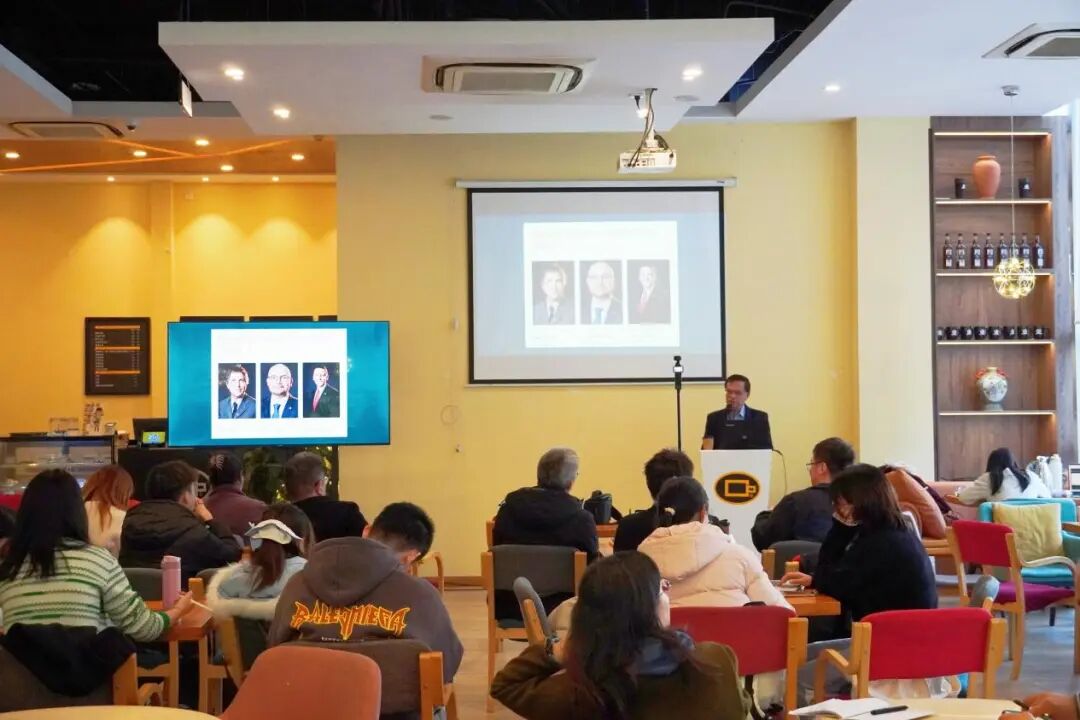
This forum built a high-level platform for teachers and students to communicate face-to-face with top scholars, combining technical depth and philosophical height. It provided important theoretical reference and practical insights for constructing a governance framework for the “fifth paradigm” that balances innovative vitality and ethical constraints.