On April 22nd, Professor Wei Yidong, academic leader of the Research Center for Philosophy of Science and Technology (a Key Research Base for Humanities and Social Sciences under the Ministry of Education) at Shanxi University and Chief Expert of major national philosophy and social science projects, was invited to deliver a lecture themed "The Rise of Artificial Intelligence Humanism" at the 30th “Humanities × Technology” Thinkers’ Forum hosted by the Advanced Institute of Humanities and Social Sciences (AI-HSS), with Professor Wan Xiaolong serving as the host.
Professor Wan extended a warm welcome and sincere gratitude to Professor Wei for accepting the invitation, and briefly introduced Professor Wei’s main research fields and achievements. Professor Wei has long been engaged in the research on the history of science, philosophy of science, cognitive philosophy, philosophy of artificial intelligence, as well as contextualist epistemology and methodology, and has made distinguished scholarly contributions.
Professor Wei focused on value biases in the development of artificial intelligence and proposed that the current paradigm of humanistic AI should evolve toward AI humanism, so that technology may return to a human-centered position. He argued that traditional humanistic AI places excessive emphasis on anthropomorphism and machine consciousness, attempting to make machines imitate human awareness, emotions, and value-driven action. This approach, he noted, risks falling into the dual dilemma of technological supremacy and the erosion of human centrality. He emphasized that AI research should return to a people-oriented perspective and ensure that technology serves human development and well-being. Regarding the possibility of AI consciousness, he offered two key judgments. First, from the perspectives of physics, chemistry, and biology, silicon-based machines lack the embodiment and life mechanisms of carbon-based organisms, making genuine consciousness unlikely within the next century. Second, from the standpoint of human security and subject status, humanity should not seek to create conscious AI, so as to avoid technological alienation that could threaten human dignity and centrality.

On this basis, Professor Wei systematically elaborated on the core connotation of AI humanism: adhering to the instrumental attribute of artificial intelligence, defining it as a rational tool that serves human production and life and enhances human capabilities, and opposing shaping AI into a competitor, threat or even substitute of human beings; advocating regulating and guiding the development of AI with humanism, constructing a new ethical framework and lifestyle of harmonious coexistence between humans and machines, and realizing the in-depth integration of rationalism and humanism.
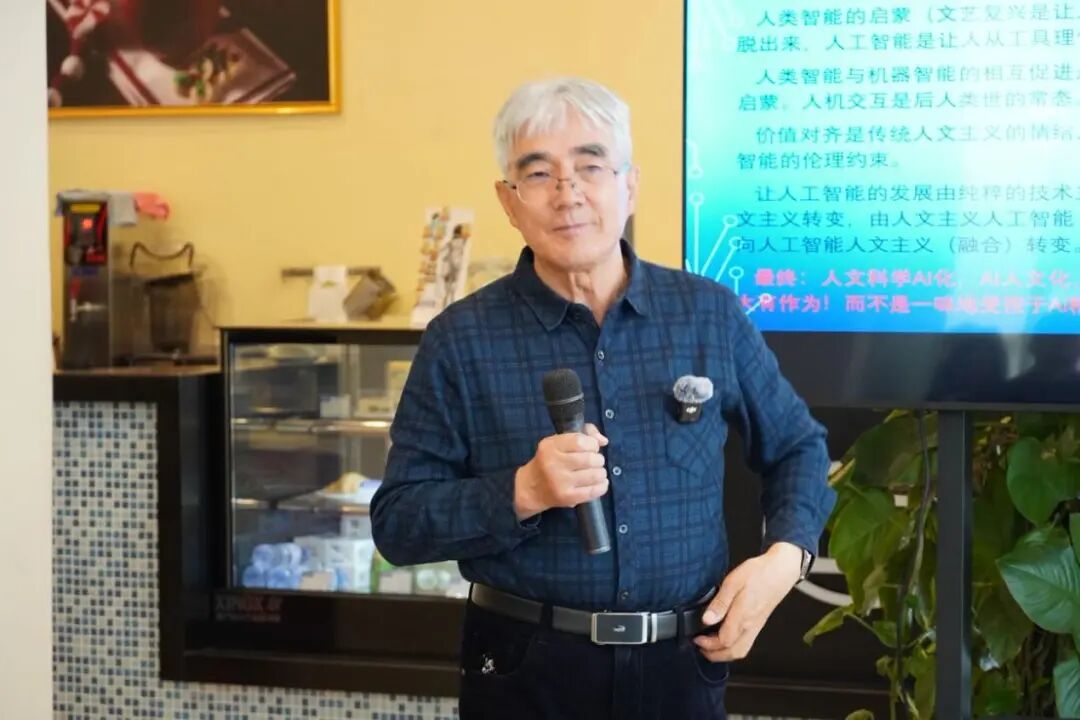
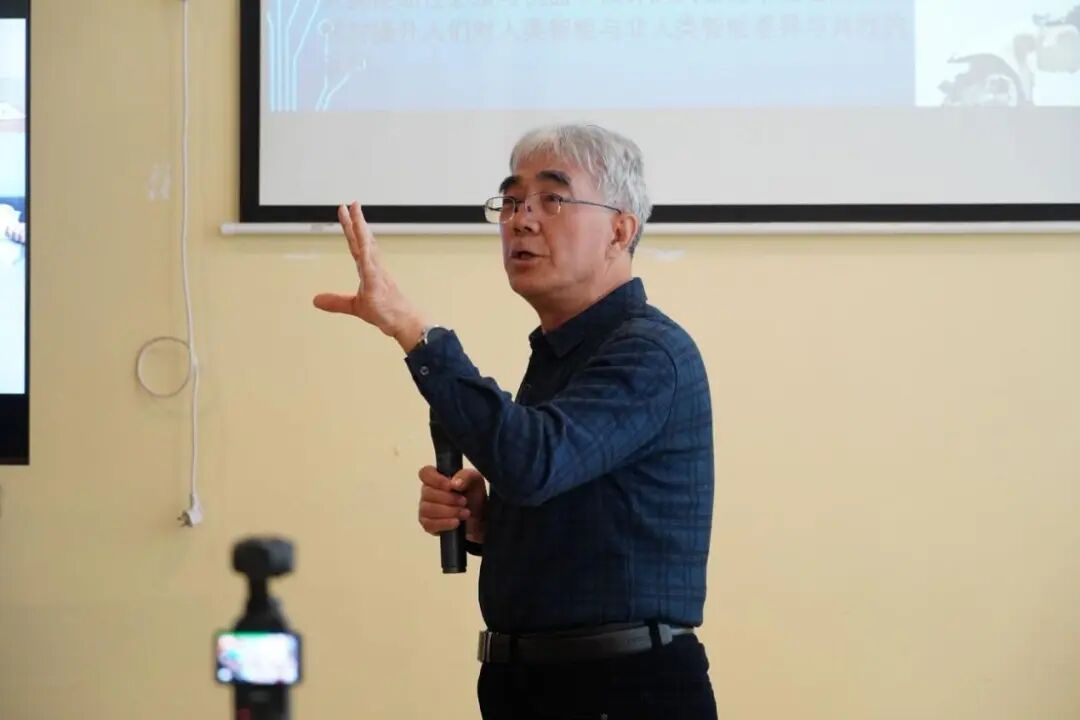
He further pointed out that AI humanism and humanistic AI are not isolated or opposed, but have an inherent connection — developing AI that conforms to human rationality and value needs is an important foundation for realizing AI humanism, and this transformation has profound enlightenment significance for correcting the wrong tendencies of excessive technologization and exaggerated narration in the current field of AI.
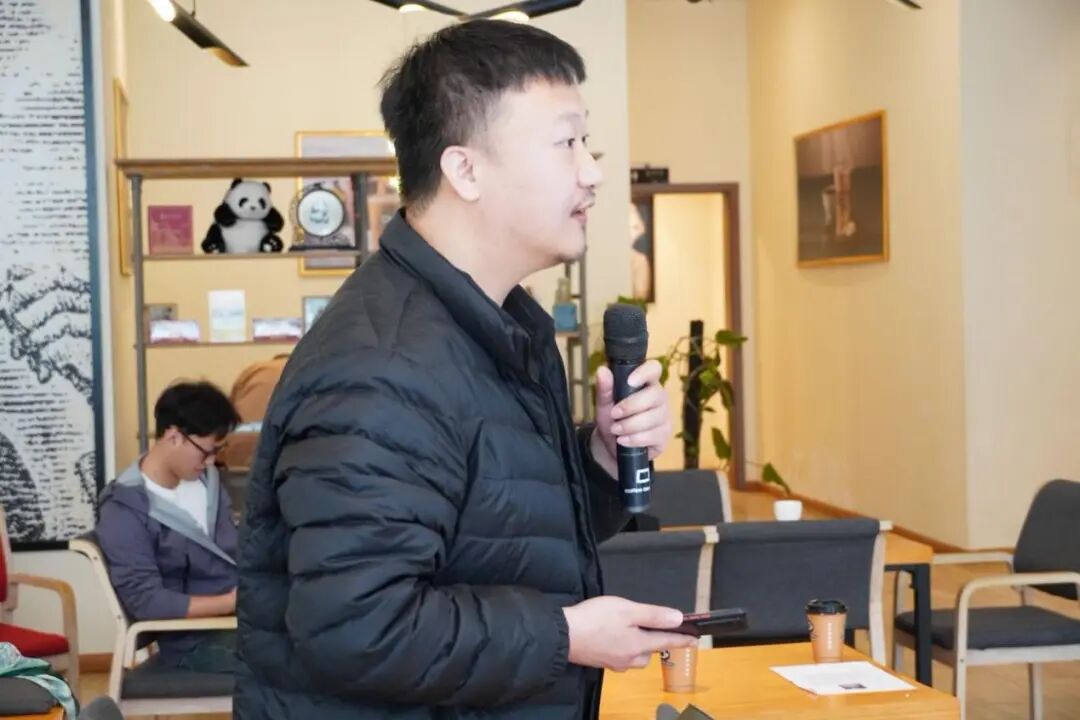
During the interactive session, teachers and students on site had in-depth exchanges with Professor Wei Yidong on issues such as adaptive representation, AI subjectivity, embodied cognition, and the reform of higher education. Combining cutting-edge research and technological reality, Professor Wei Yidong responded to the questions one by one, clarified key concepts such as intelligence and cognition, agency and subjectivity, and emphasized that AI research should be based on engineering practice and workable concepts, and adhere to the value bottom line of human centrality.
This lecture closely focused on the philosophical propositions and practical challenges in the age of AI, combining theoretical depth with practical concern. It provided teachers and students with a new perspective to understand the humanistic dimension of AI and grasp the ethical boundaries of technological development, effectively promoting interdisciplinary dialogue and intellectual innovation in the research of AI philosophy and humanism.